Prototyping & Small-Batch Production: How FDM 3D Printing Enables Rapid Brand Iteration
FDM 3D printing lets brands prototype packaging, fixtures, and branded objects fast—without tooling costs or factory minimums. Use it strategically.
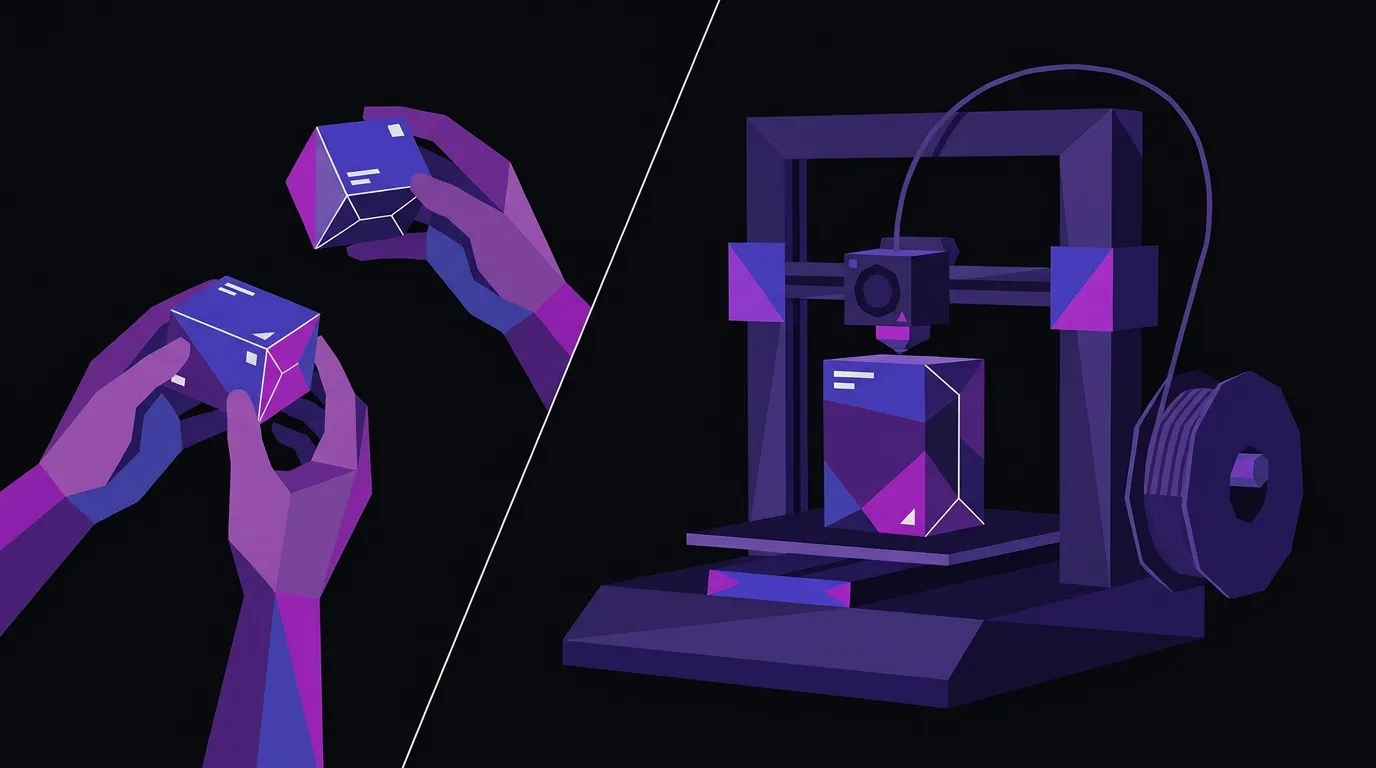
Most product decisions that cost brands real money happen before a single unit ships. A packaging form factor gets locked in. A display fixture gets ordered in bulk. A promotional object gets manufactured overseas. Then the product hits shelves and you find out the lid is awkward, the fixture doesn’t fit the gondola, or the collectible looks nothing like the render. The tooling is already paid for. You live with it.
FDM 3D printing doesn’t eliminate that problem entirely, but it moves the discovery point. You find out before the tooling gets cut.
The Cost You’re Actually Trying to Avoid Isn’t the Printer
When brands resist adding fabrication capability, the objection is usually about equipment cost. That’s the wrong number to watch. The real cost is the gap between “we think this will work” and “we know this works” — and that gap currently gets paid for in tooling fees, minimum order quantities, and production runs of objects that turn out to be wrong.
Prusa’s documentation of the Factorio collaboration illustrates the point neatly, even though it’s a gaming context: a developer modeled a physical object on the spot at an event, loaded a printer, and had a tangible result in 20 minutes. The team then discovered immediately that the design had real problems — unsupported overhangs, incomplete geometry from the source files — and iterated from there. That cycle of make-test-discover-adjust is exactly what brands need when developing packaging prototypes, branded giveaways, or custom retail fixtures. The speed of the loop matters more than the perfection of any single print.
For established product businesses, this translates directly: you can put a physical prototype in a buyer’s hands, in a focus group, or on a shelf mock-up before you’ve committed a dollar to production tooling.
FDM Earns Its Place on Four Specific Jobs — and Fails on the Rest
Not everything should come off an FDM printer. Being clear about that is part of using the technology well.
FDM is strong for:
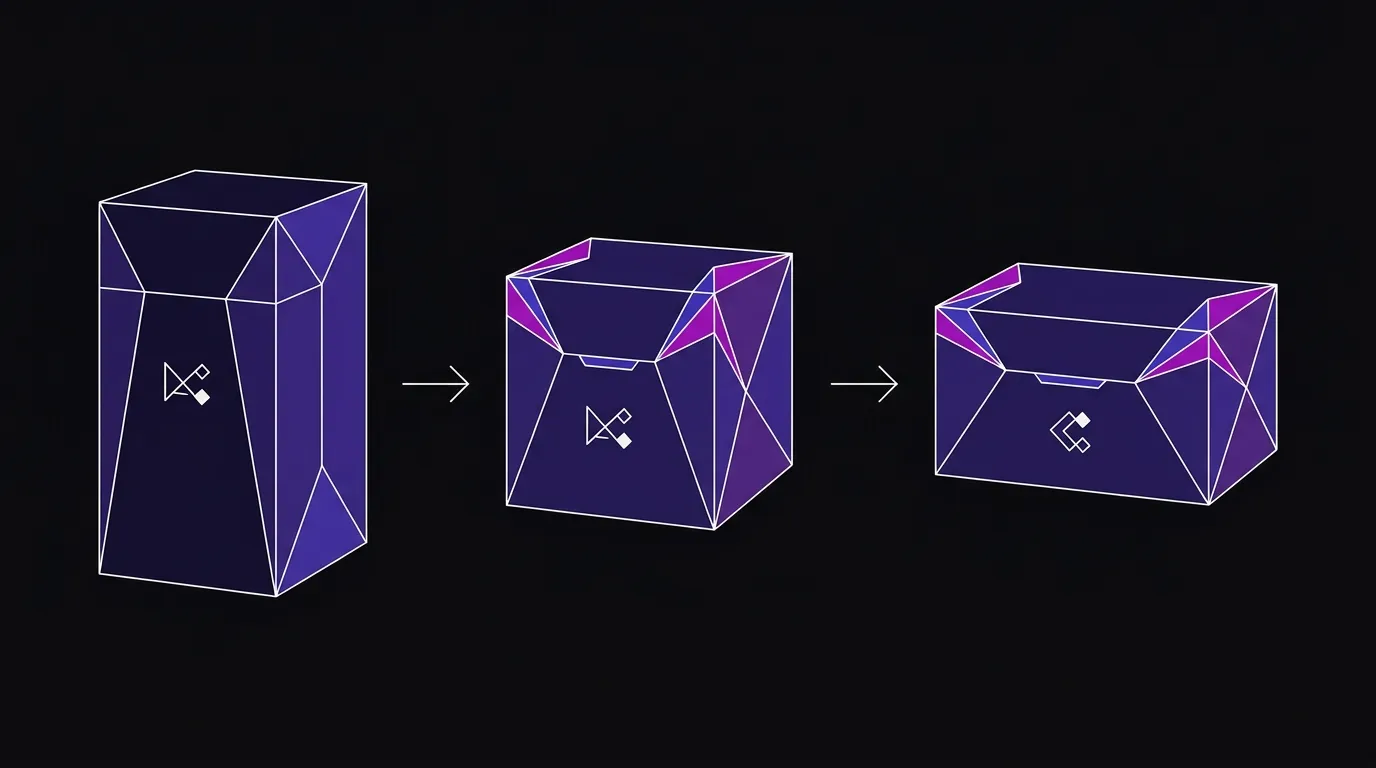
Form studies catch dimensional problems before sample vendors do. A folded carton or rigid box can be approximated in PLA to check proportions, lid clearance, and stacking behavior. You won’t get the final material or print finish, but you’ll find dimensional problems fast. Iterate three times in a week rather than once every six weeks waiting on sample vendors.
Branded fixtures let you spec exactly to your SKU — no factory minimums required. Škoda recently published a library of 3D-printable interior organizers — cable holders, coin trays, interior accessories — designed specifically for their vehicles. The logic applies directly to retail: a branded counter display, a cable management piece, a product holder sized exactly to your SKU. These are functional branded objects that don’t require a factory run.
Small-batch collectibles remove the minimum that makes limited runs painful. Limited-edition branded items — event giveaways, loyalty rewards, trade show pieces — have traditionally required minimums that make small runs economically painful. FDM removes the minimum. You print what you need, when you need it, in the configuration you want.
Tooling aids and jigs compress production setup time. If your product goes through any assembly or quality-check process, custom jigs and fixtures can be printed to spec. Massivit’s work in aerospace and defense — reducing tooling time by 90% using additive manufacturing for composite molds and fixtures — is an industrial-scale version of the same principle. The scale is different; the logic isn’t.
Where FDM falls short: final-finish consumer packaging, food-contact surfaces, anything requiring tight tolerances in engineering plastics, and production volumes where injection molding becomes cost-competitive. Know the boundary and you’ll use the tool right.
The Iteration Mindset Is the Actual Advantage
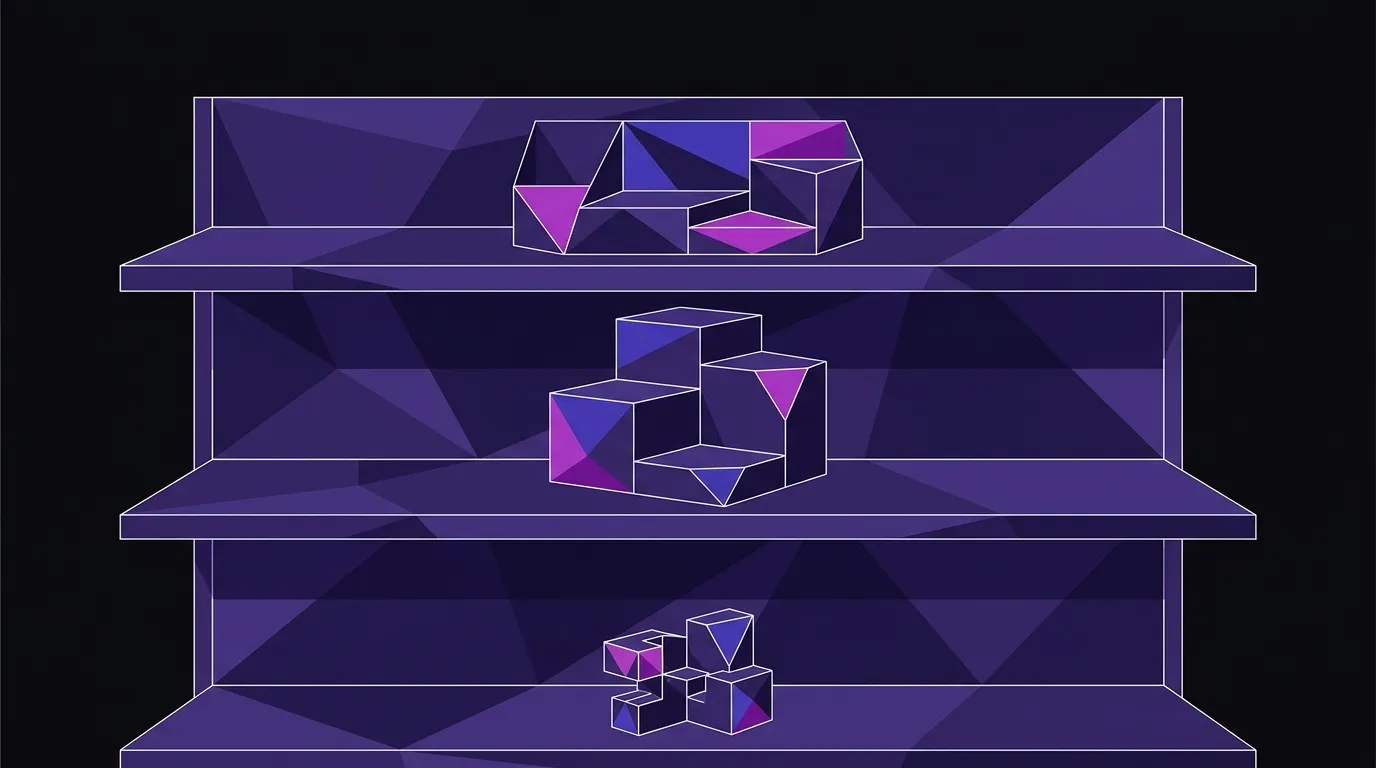
The Prusa/Factorio story contains a detail that’s easy to skim past: the game developer’s artists had to redesign entities from scratch for printability. Geometry that works in a 2D isometric game doesn’t automatically work as a physical object. They went through extensive trial, error, and fine-tuning before releasing the files publicly — what Prusa describes as “a long process of trial, error, and endless fine-tuning.”
Škoda’s decision to release a library rather than a single finished product reflects the same logic Prusa’s Factorio team discovered: the value isn’t the output, it’s the cycle. Škoda could have commissioned a single accessory and been done. Instead, they published a range of iteratable models that owners can adapt to their specific configuration. That’s the FDM mindset applied at a brand level — design for the loop, not just the launch.
For brands, compressing that iteration cycle is the real return on investment. Every round of iteration that happens in-house, on your own timeline, is a round that doesn’t require a vendor quote, a shipping wait, or a minimum order.
The material choices matter here too. PLA is fast and cheap for early-stage form studies. PETG adds durability for functional prototypes that need to survive handling. TPU opens up flexible applications — gaskets, grips, soft-touch elements. Matching material to prototype stage keeps costs low and keeps the feedback loop moving.
For brands that want to explore this capability without building an in-house operation, the right question is: what decisions are currently being made blind that a physical prototype could inform? Our 3D printing and prototyping work is built around exactly that question — helping brands identify where a fabricated prototype pays for itself before a production commitment is made.
Small Batches Are a Product Strategy, Not a Compromise
There’s a tendency to treat small-batch production as a fallback — what you do when you can’t afford a real run. That’s backwards. Small batches are a validation tool. They let you test market response, refine the design based on real customer handling, and build demand before you scale.
A limited-edition branded object produced in a run of 50 or 100 units isn’t a consolation prize. It’s a controlled experiment. If it performs, you have the data to justify a larger production investment. If it doesn’t, you’ve learned that without sinking money into tooling for 10,000 units.
Here’s the threshold worth committing to: if your production run is under 500 units or your design is still in flux, FDM prototyping almost always pays for itself before tooling is cut. Above that volume and with a locked design, the math shifts toward traditional manufacturing — and that’s fine, because by then you’ve already validated the thing works.
The brands using FDM this way aren’t treating it as a novelty. They’re treating it as a decision-support tool — a way to make expensive downstream commitments with more information than they’d otherwise have.
Start With One Decision You’re Currently Making Blind
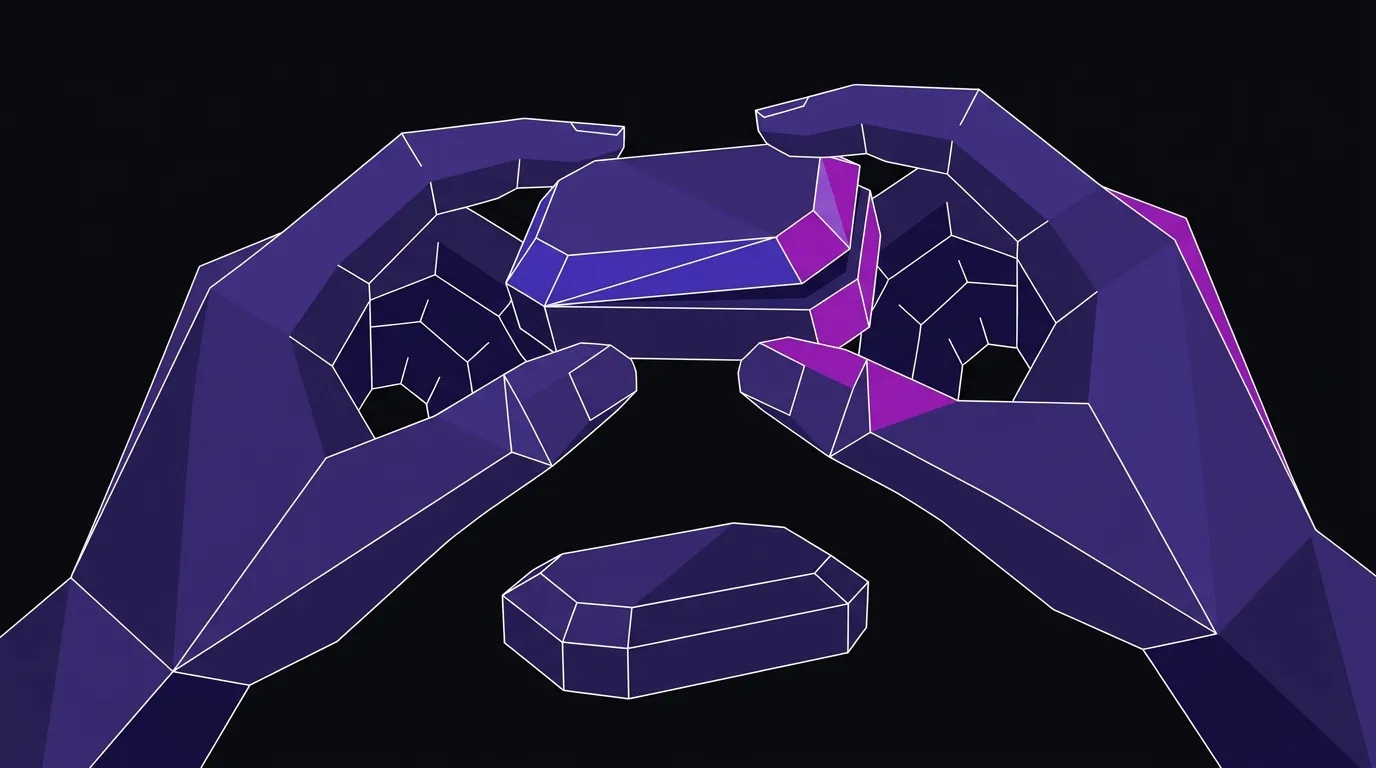
If your brand has never run a physical prototype before committing to production, that’s the gap to close first. Pick one upcoming product decision — a new packaging format, a display fixture, a branded premium — and model it before you spec it out to a manufacturer. The physical object will tell you things a render won’t: how it sits in a hand, whether the proportions read correctly at shelf scale, whether the lid actually clears.
That discovery, made before tooling is cut, is what the whole capability is for. The Factorio team found out their geometry was wrong in 20 minutes at a trade event. Škoda found out which accessories their customers actually wanted by publishing a library and watching what got downloaded. The common thread isn’t the printer — it’s the decision made earlier, with better information, before the expensive commitment locks in.
The cost of building the wrong thing confidently is always higher than the cost of finding out you were wrong.
Prototype Before You Commit
We work with brand owners to identify where a fabricated prototype pays for itself before production tooling is cut. Tell us what decision you're facing.